종착역과 태장춘의 묘 / The Final Stop and Taejangchun's Tomb
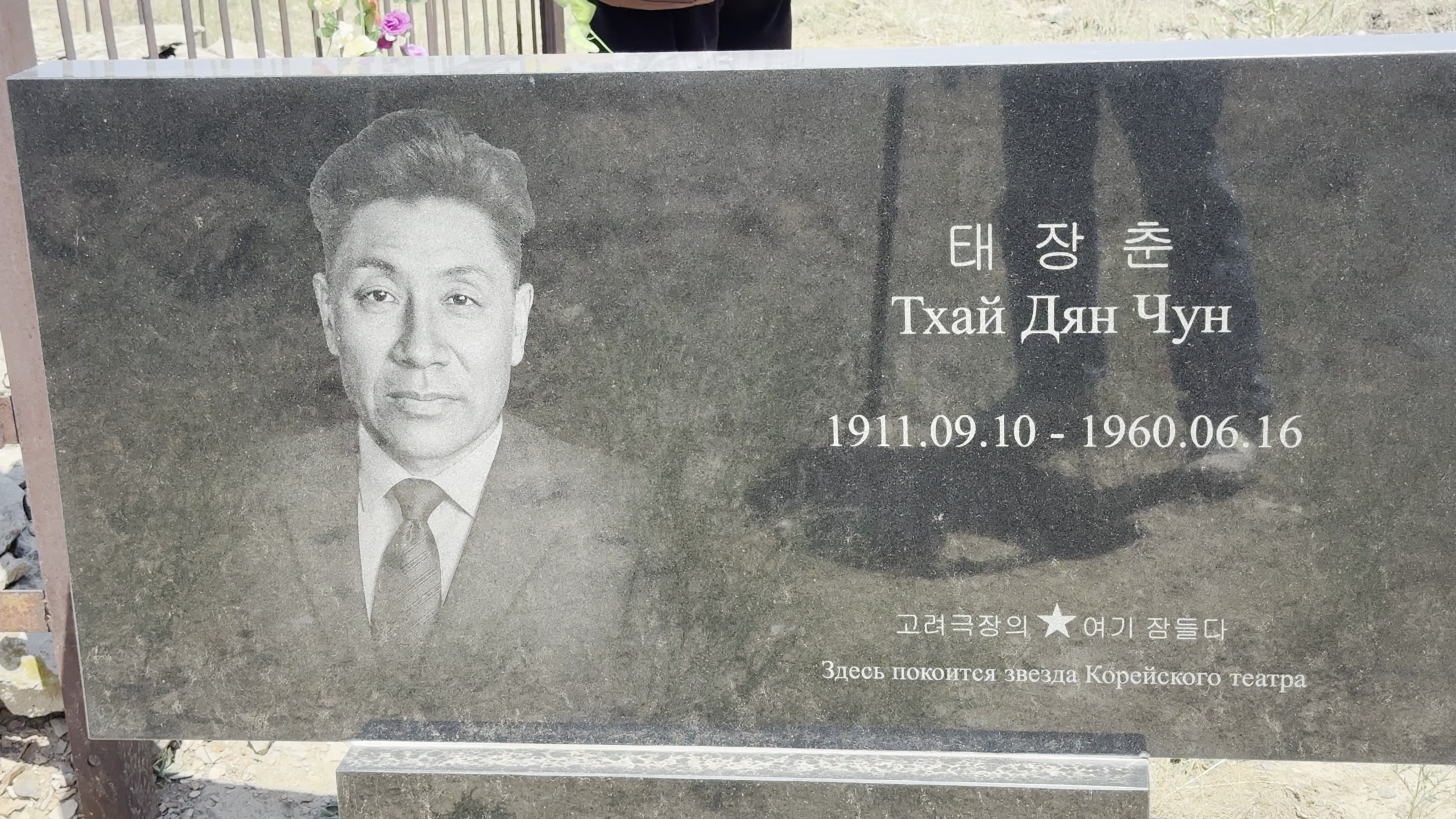
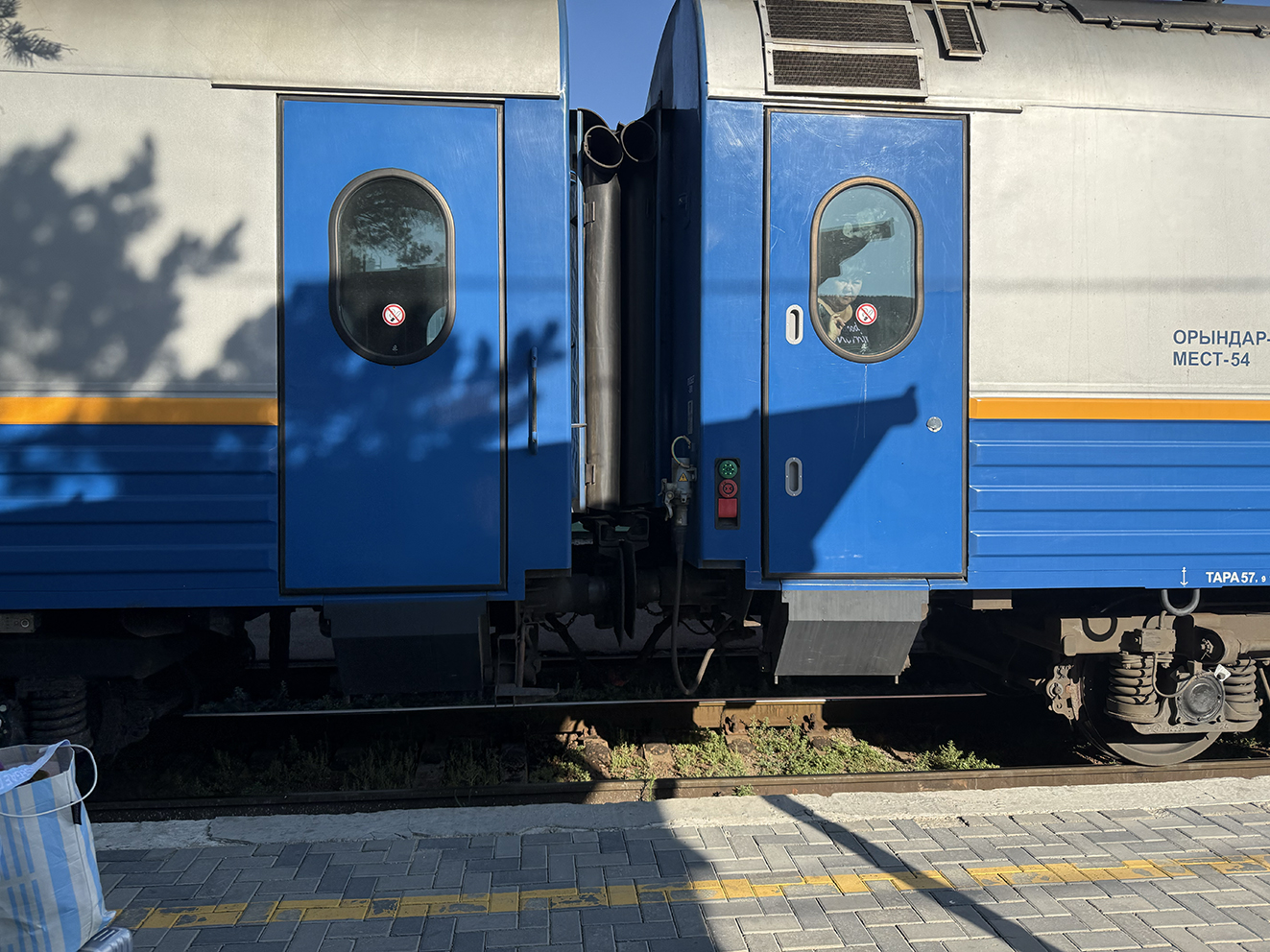
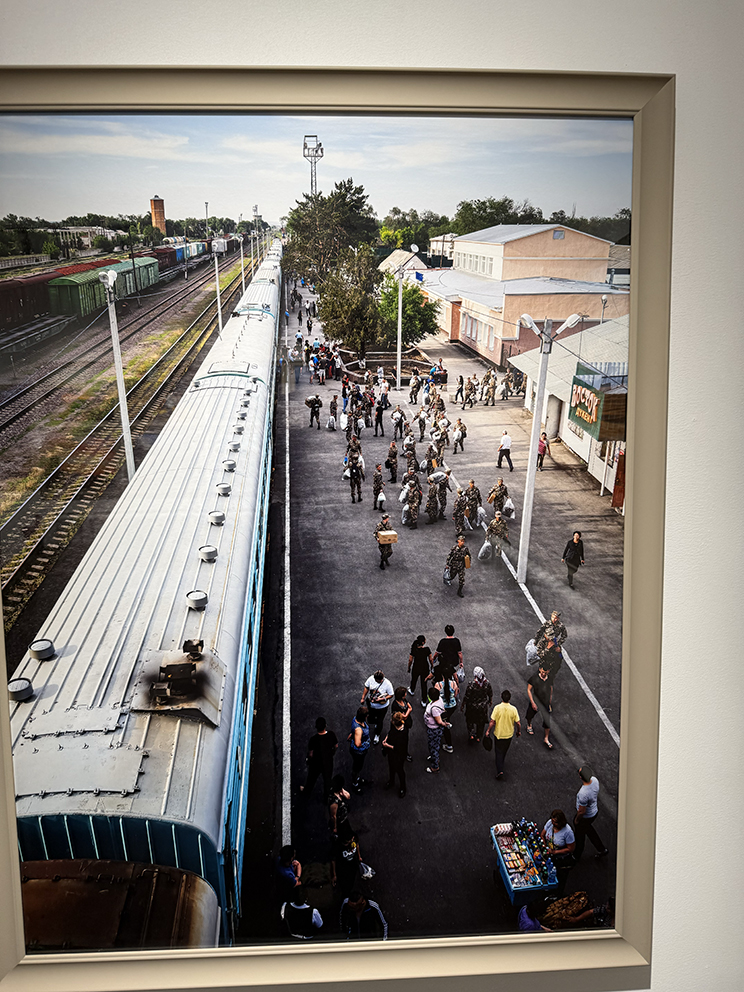
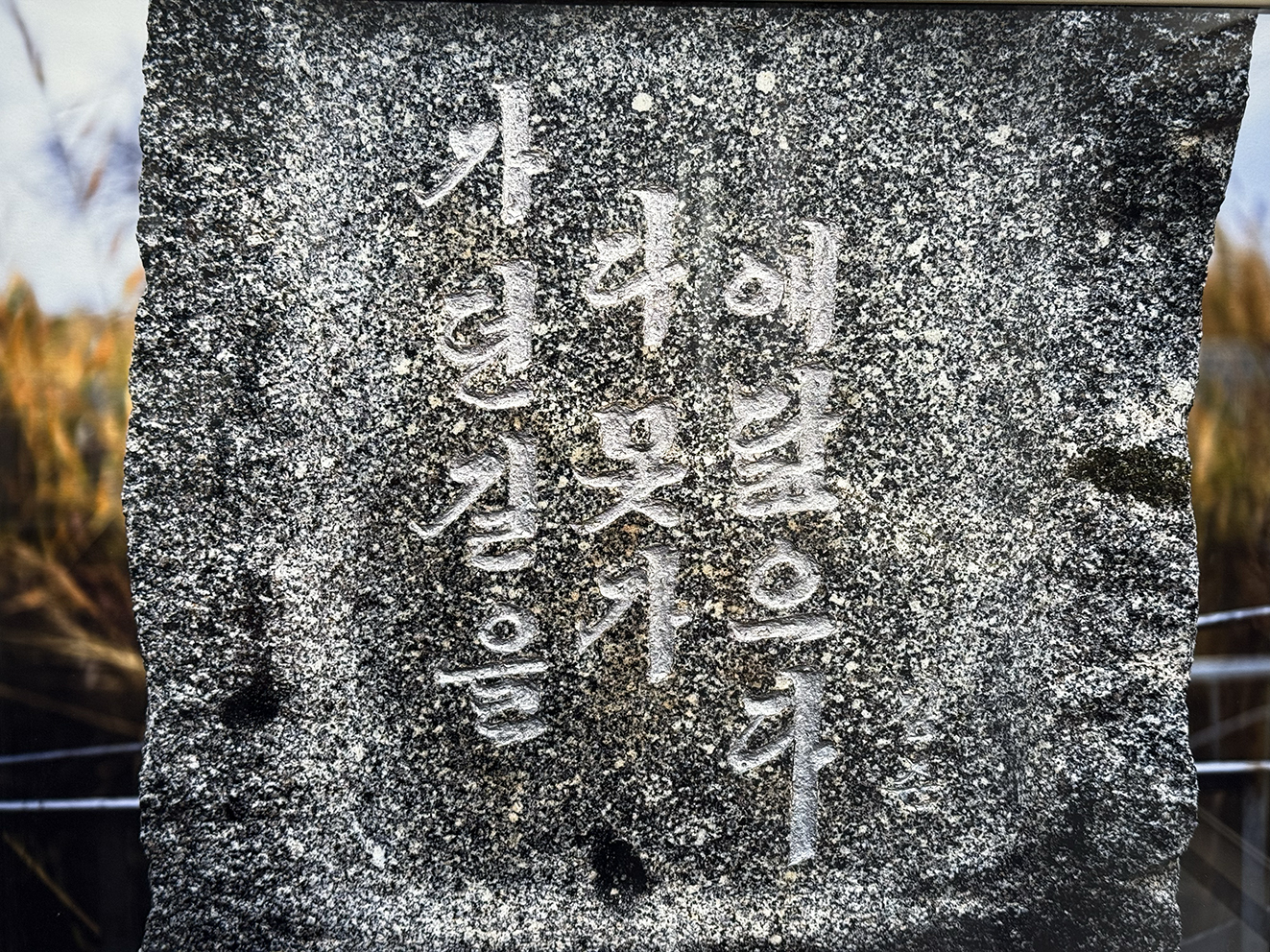
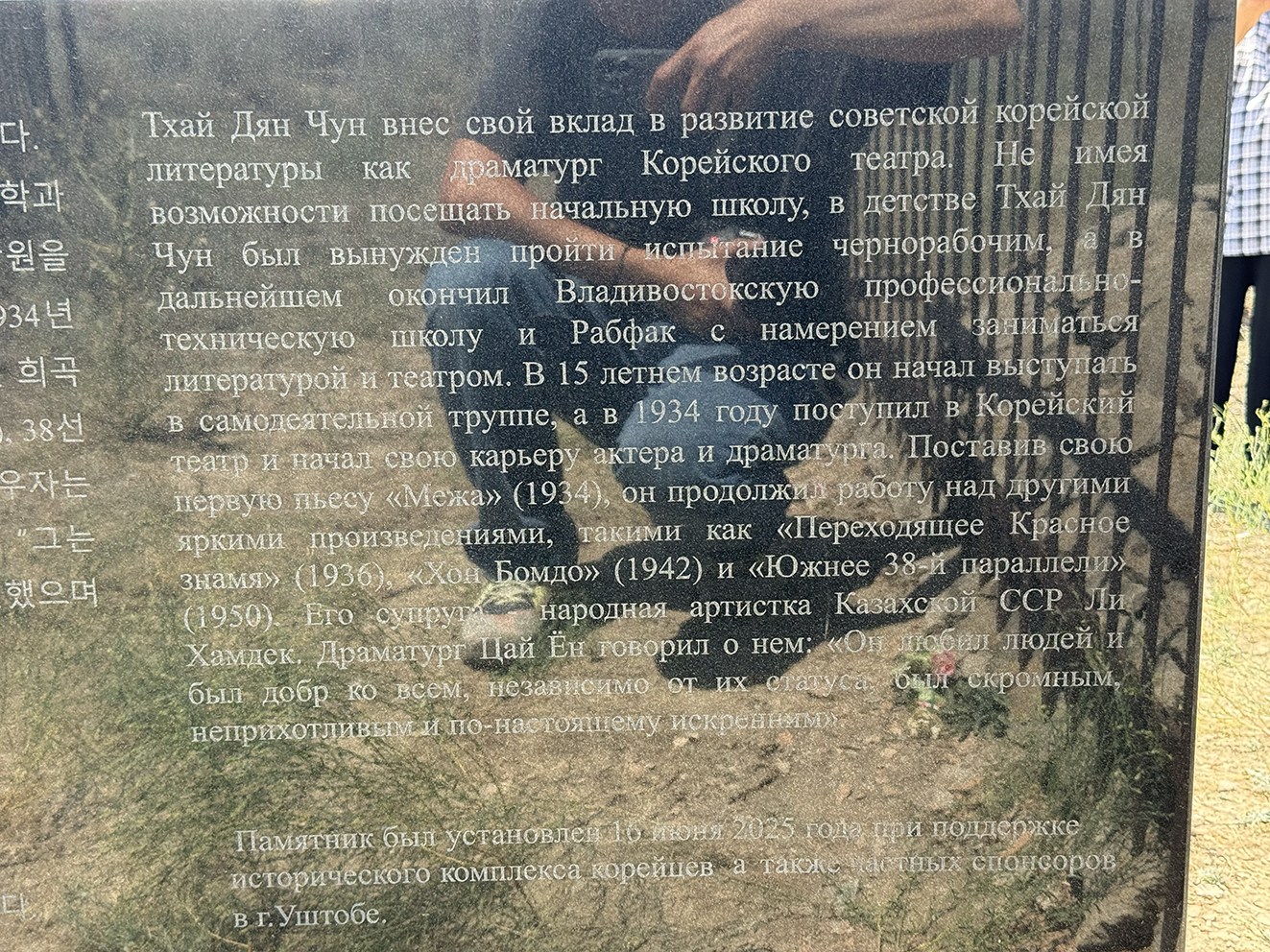
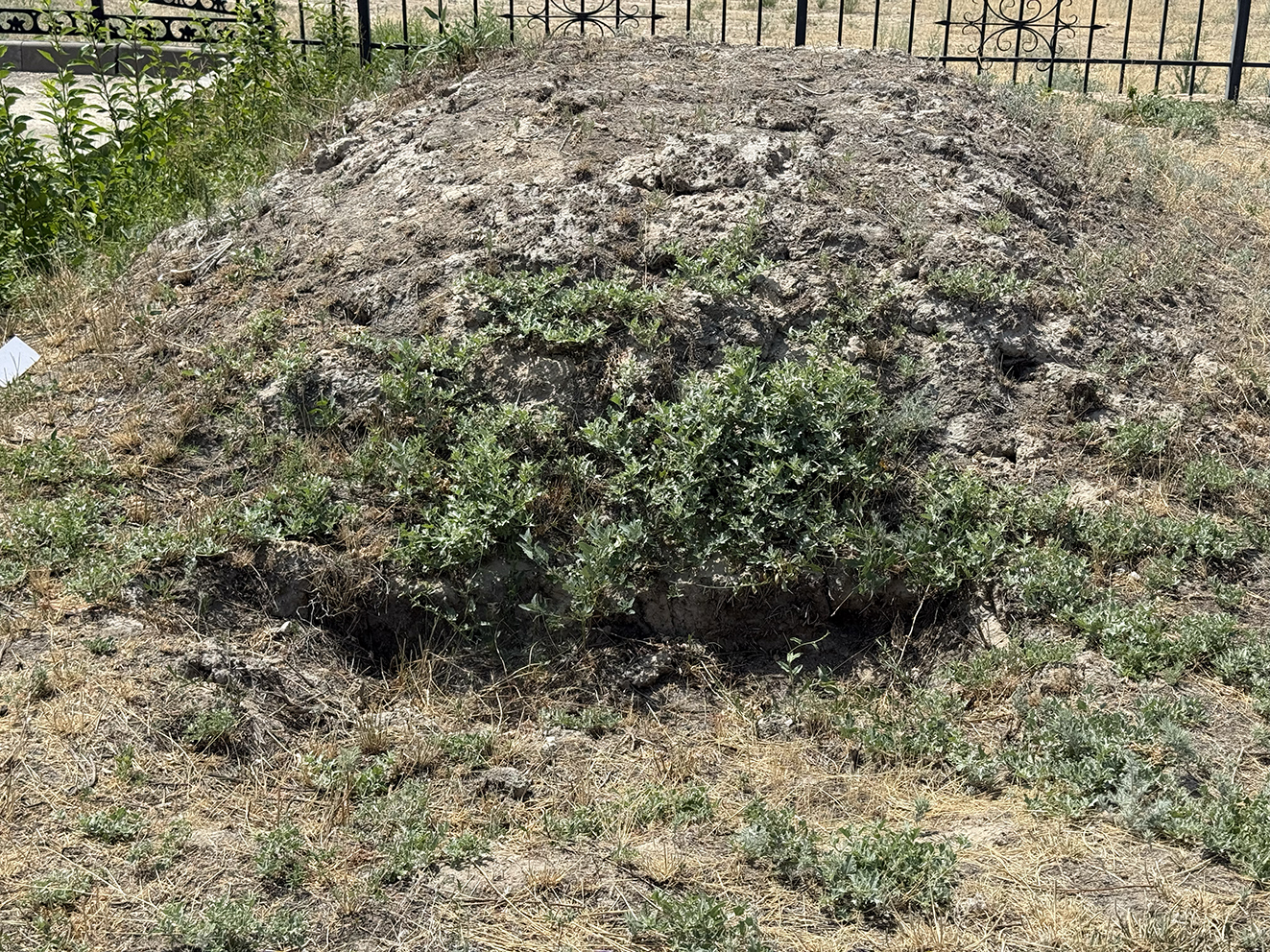
일부러 밤 기차를 타고 우슈토베로 향했다. 그곳은 강제 이주를 당한 고려인들이 실려 온 기차의 종착역이었다. 고려극장의 초기 배우이자 연출가였던 태장춘의 묘를 우연히 찾은 것은 뜻밖의 수확이었다. 1930년대 모스크바 영화대학에서 연기를 전공한 그는 초기 고려극장을 이끈 엘리트 예술인이었다. 그는 <밭두렁>(1934), <종들>(1937), <행복한 사람들>(1939), <의병들(홍범도)>(1942) 등을 연출하며, 중앙아시아로 이주한 직후 척박하고 낯선 땅에서 버텨내야 했던 사람들의 삶을 무대 위에 올렸다.
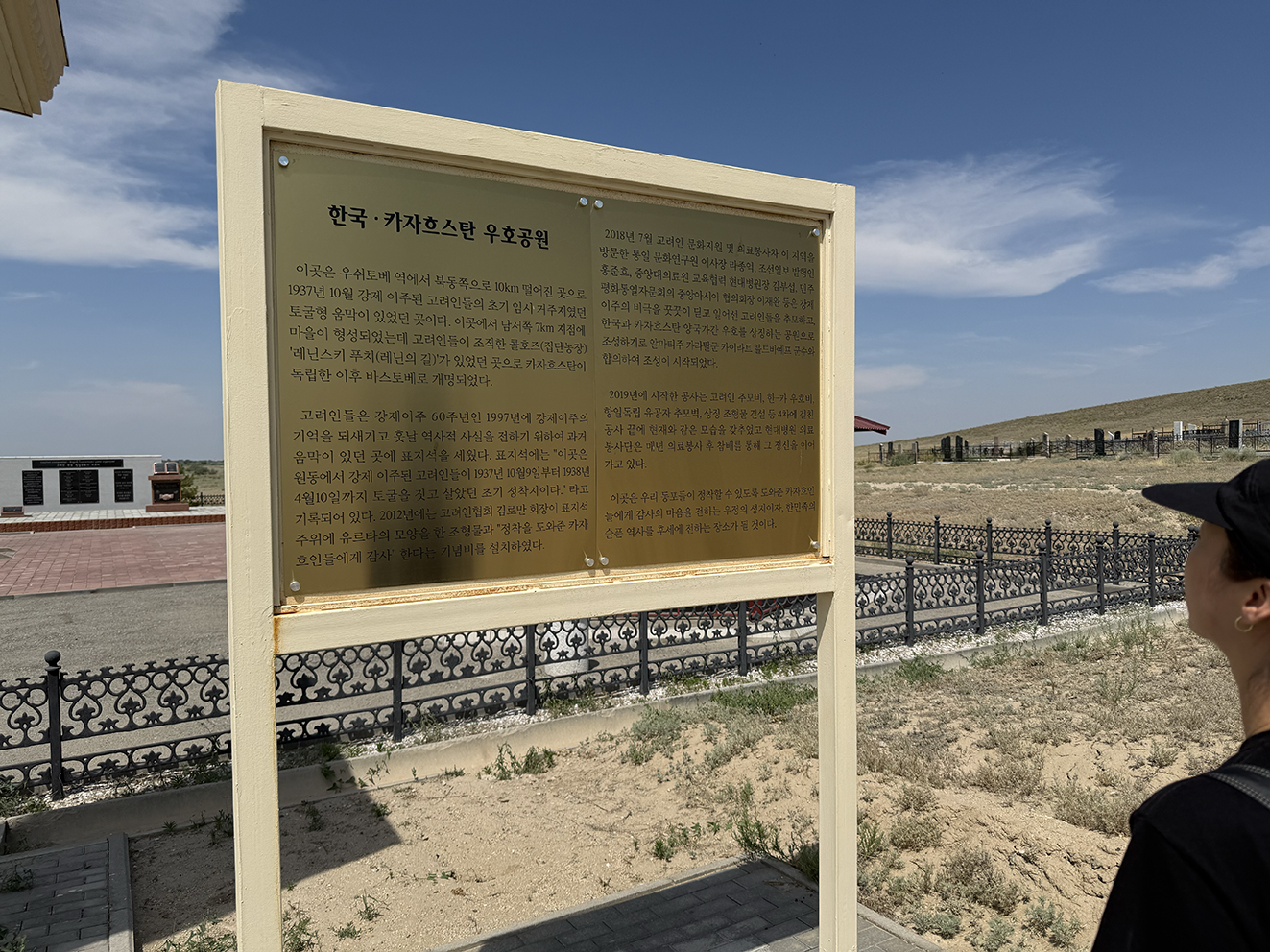
지난 2월 눈보라 때문에 일정을 미뤄 이번 6월에 다시 찾은 우슈토베는 신발 밑창이 끈적일 정도로 태양이 뜨거웠다. 살을 에던 겨울의 맹추위와 숨이 막히는 여름의 뙤약볕. 그 극단적인 계절의 한가운데서 이곳에 닿았을 사람들의 마음을 조용히 가늠해 본다.
I deliberately took the night train to Ushtobe. That was the final stop for the trains that carried the Koryo-saram who had been forcibly relocated. Stumbling upon the grave of Tae Jang-chun, an early actor and director at the Koryo Theater, was an unexpected discovery. Having majored in acting at the Moscow Film Academy in the 1930s, he was an elite artist who led the Koryo Theater in its early days. Through his direction of films such as *The Field Ridge* (1934), *The Bells* (1937), *Happy People* (1939), and *The Righteous Army (Hong Beom-do)* (1942), he brought to the stage the lives of people who had to endure harsh and unfamiliar conditions in Central Asia immediately after their resettlement. Having postponed my trip to Ushtobe last February due to a snowstorm, I returned this June to find the sun so hot that the soles of my shoes felt sticky. The biting cold of winter cut through the flesh, and the suffocating summer heat. Standing in the midst of these extreme seasons, I try to imagine the feelings of those who arrived here.