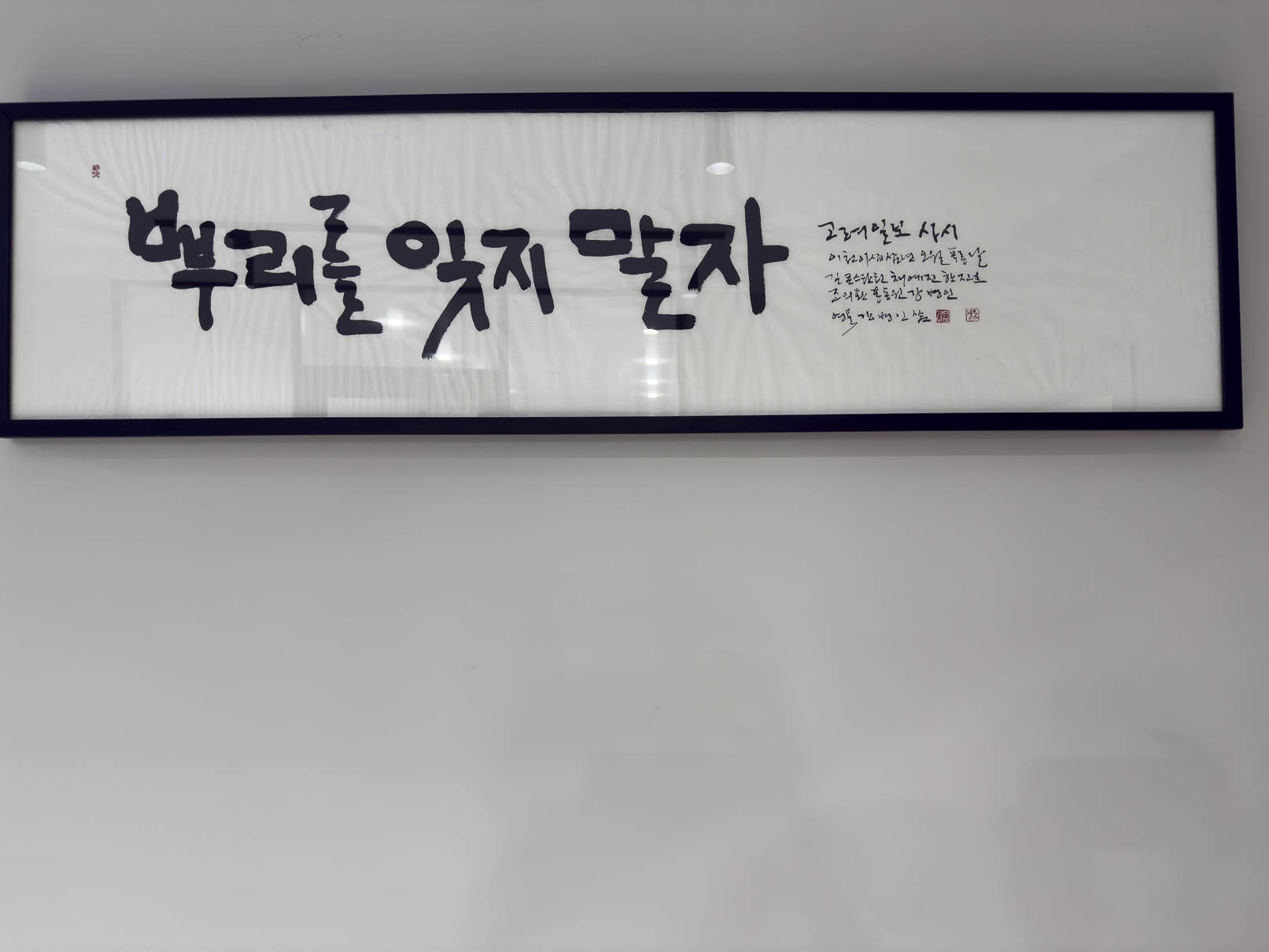
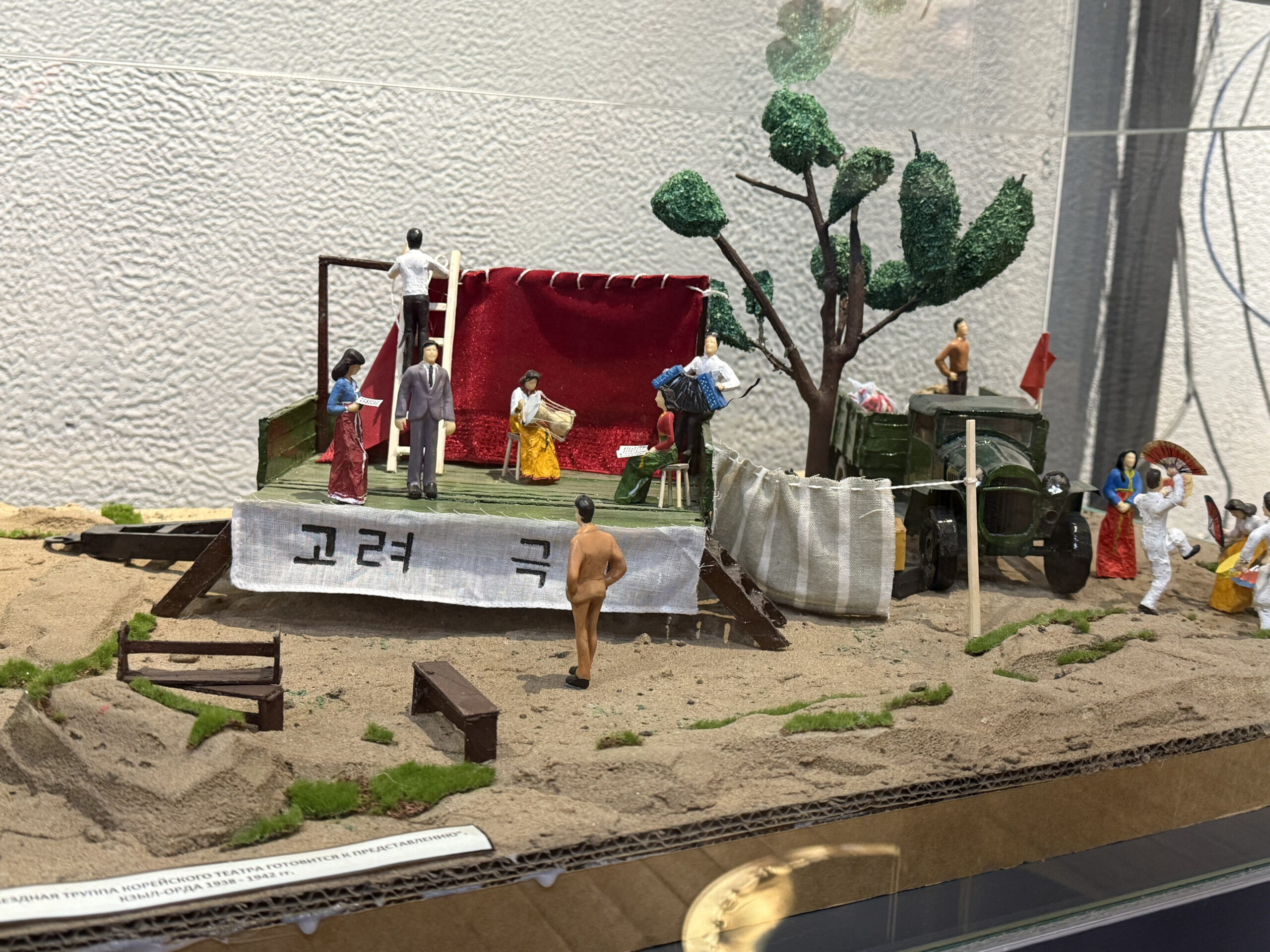
Grid view 모든 카테고리Theatre of Return 20260211선봉 – 레닌기치 – 고려일보 / Senbong – Lenin Kichi – Koryo Ilbo 카자흐스탄 알마티에 있는 고려일보 사무실을 방문하였다. 편집장님 어머니가 만들어 주신 오이피클과 된장을 선물로 받았다. 1923년 러시아 연해주 블라디보스토크에서 ‘선봉(先鋒)’으로, 강제 이주와 크즐오르다 시대 ‘레닌 기치’ (1938년)로, 1978년 알마티로 옮긴 이후 1991년 ‘고려일보’로 불리는 신문을 발행해 왔다. 연해주 시절 ‘선봉’은 함경도 사투리로 쓰였고, 소련 시절 ‘레닌 기치’는 북한 표준어에 가까운 고려 말 사이사이 ‘꼴호즈’, ‘쏘베트’와 같은 러시아어가 소리 나는 데로 사용되었고, ‘고려일보’는 러시아어와 남한 표준어가 쓰이고 있다. We visited the “Koryo Ilbo” office in Almaty, Kazakhstan. I received a gift of pickled cucumbers and meju made by the editor-in-chief’s mother. Founded in 1923 in Vladivostok, in Russia’s Primorsky Krai, as *Seonbong* (Vanguard), it was known as *Lenin’s Banner* (1938) during the era of forced relocation and the Kzyl-Orda period, and has been published as the *Koryo Ilbo* in 1991 after relocating to Almaty in 1978. During its Primorsky Krai period, *Seonbong* was written in the Hamgyong Province dialect; during the Soviet era, *Lenin Kichi* used Russian words such as “kolkhoz” and “soviet” phonetically as they were pronounced, interspersed with Korean that was close to North Korean Standard Korean; and *Koryo Ilbo* currently uses both Russian and South Korean Standard Korean. 20260210유랑극장 / Touring company 1937년 스탈린의 연해주 고려인 강제 이주 때 고려극장 단원들도 공연에 쓸 최소한의 가벼운 악기와 소품만 휴대한 채 열차에 올랐다. 초창기 트럭 위에 무대와 세트를 콜호스 (집단농장) 마을에서 마을로 싣고 다니며 공연을 했다. 1938년 한 해에만 약 250회 공연을 했다고 한다. 이는 이동 시간을 고려하면 거의 매일 하는 공연이었다. 집단농장 고려인들은 한국어 사용이 금지되었기 때문에 고려극장 공연만이 유일하게 한국어를 듣고 노래를 부를 기회였다. In 1937, during Stalin’s forced relocation of the Korean population in the Primorsky Krai, members of the Goryeo Theater boarded trains carrying only the bare minimum of lightweight instruments and props needed for their performances. In the early days, they performed by transporting the stage and sets on a truck from one kolkhoz (collective farm) village to another. It is said that they gave approximately 250 performances in 1938 alone. Considering travel time, this meant they performed almost every day. Since the Korean residents of the collective farms were prohibited from speaking Korean, the Goryeo Theater’s performances were their only opportunity to hear and sing in Korean. 1 2
20260211선봉 – 레닌기치 – 고려일보 / Senbong – Lenin Kichi – Koryo Ilbo 카자흐스탄 알마티에 있는 고려일보 사무실을 방문하였다. 편집장님 어머니가 만들어 주신 오이피클과 된장을 선물로 받았다. 1923년 러시아 연해주 블라디보스토크에서 ‘선봉(先鋒)’으로, 강제 이주와 크즐오르다 시대 ‘레닌 기치’ (1938년)로, 1978년 알마티로 옮긴 이후 1991년 ‘고려일보’로 불리는 신문을 발행해 왔다. 연해주 시절 ‘선봉’은 함경도 사투리로 쓰였고, 소련 시절 ‘레닌 기치’는 북한 표준어에 가까운 고려 말 사이사이 ‘꼴호즈’, ‘쏘베트’와 같은 러시아어가 소리 나는 데로 사용되었고, ‘고려일보’는 러시아어와 남한 표준어가 쓰이고 있다. We visited the “Koryo Ilbo” office in Almaty, Kazakhstan. I received a gift of pickled cucumbers and meju made by the editor-in-chief’s mother. Founded in 1923 in Vladivostok, in Russia’s Primorsky Krai, as *Seonbong* (Vanguard), it was known as *Lenin’s Banner* (1938) during the era of forced relocation and the Kzyl-Orda period, and has been published as the *Koryo Ilbo* in 1991 after relocating to Almaty in 1978. During its Primorsky Krai period, *Seonbong* was written in the Hamgyong Province dialect; during the Soviet era, *Lenin Kichi* used Russian words such as “kolkhoz” and “soviet” phonetically as they were pronounced, interspersed with Korean that was close to North Korean Standard Korean; and *Koryo Ilbo* currently uses both Russian and South Korean Standard Korean.
20260210유랑극장 / Touring company 1937년 스탈린의 연해주 고려인 강제 이주 때 고려극장 단원들도 공연에 쓸 최소한의 가벼운 악기와 소품만 휴대한 채 열차에 올랐다. 초창기 트럭 위에 무대와 세트를 콜호스 (집단농장) 마을에서 마을로 싣고 다니며 공연을 했다. 1938년 한 해에만 약 250회 공연을 했다고 한다. 이는 이동 시간을 고려하면 거의 매일 하는 공연이었다. 집단농장 고려인들은 한국어 사용이 금지되었기 때문에 고려극장 공연만이 유일하게 한국어를 듣고 노래를 부를 기회였다. In 1937, during Stalin’s forced relocation of the Korean population in the Primorsky Krai, members of the Goryeo Theater boarded trains carrying only the bare minimum of lightweight instruments and props needed for their performances. In the early days, they performed by transporting the stage and sets on a truck from one kolkhoz (collective farm) village to another. It is said that they gave approximately 250 performances in 1938 alone. Considering travel time, this meant they performed almost every day. Since the Korean residents of the collective farms were prohibited from speaking Korean, the Goryeo Theater’s performances were their only opportunity to hear and sing in Korean.